

How to Troubleshoot a Freestanding Electric Patio Heater
Think about a freestanding electric heater if you're fed up of dealing with extension cables and propane tanks. It's easy to set up, provides adjustable heat settings, and comes with an automatic shut-off feature for tip-overs.
When shopping for a patio heater, be aware of the Btu output. A small area requires 5,000 Btu to be warm enough, while bigger spaces require more heat. patio heat lamp electric are generally more efficient than pyramids or dome-shaped models.
Easy to install
Patio heaters are a great option to enjoy your outdoor space even after the sun has gone down. They give you the warmth and ambiance that you need to relax in the evenings. They are easy to set up and simple to maintain which allows you to make the most of your patio all year round. You can pick from a variety of natural gas and electric patio heaters to suit your budget and requirements.
You may choose a tabletop or freestanding model depending on your needs and the space available. These models don't require any professional installation and are easy to install, as opposed to heaters that are fixed to the ceiling or wall. They also use smaller heat output that is better for smaller spaces.
When choosing a patio heating system, you must also take into consideration the layout and location of your outdoor area as well as its proximity to other structures and obstacles. Consider using a fire retardant canvas if your area is enclosed to limit spreading fire. Keep a fire extinguisher close and make use of it to put any flames out.
If you're planning on installing your patio heater yourself or hiring a professional, be sure to adhere to the manufacturer's installation and usage guidelines. To prevent burns ensure that you are at least 2 metres from any heated object. In addition, it's crucial to maintain a safe distance between the heater and any combustible material, such as your deck.
You should also think about the level of heat you want to achieve. In general, propane or natural gas patio heaters emit more heat than their electrical counterparts. Electric heaters are more efficient and last longer than gas powered ones.
It is crucial to clean and maintain your patio heater frequently in order to prolong its life. To improve the efficiency of your patio heater, ensure the heating elements and reflectors clean. Also, you should check the gas connections and hoses for any signs of damage prior to each use. Also, make sure you keep your patio heater in a safe place when it is not in use to shield it from harsh weather conditions and to extend its life.
Easy to maintain
With regular cleaning and seasonal maintenance, the freestanding patio heater will continue to operate at maximum efficiency and provide warmth for a long time to be. There are some issues that can be encountered with this kind of outdoor heater. Knowing how to troubleshoot these issues will allow you to save money on repairs or replacement.
One of the most common issues is when a gas heater is clogged or obstructed. The fuel pipe that connects the propane tank to the burner unit must be cleaned and inspected regularly. This component may be clogged with soot, debris or dirt. It should be inspected prior to using the heater. You can remove the fuel pipe and blow air through it to remove any obstructions.
It is essential to regularly check the ignition system as well as the fuel line. This will prevent soot buildup and other problems that can be experienced during operation. It is a good idea to do prior every use and after each storage season. Covering the heater in winter will protect it from weather-related damage.
The size of your patio heater must be determined by the budget you have set and the amount of heat you require. While larger heaters will produce more heat, it may also be costly to run. A large heater can also overpower a small space. If you have limited space, it's recommended to consider wall-mounted heating.
If you choose to buy a freestanding electric heater be sure to go through the user's manual thoroughly. The manual will provide you with all the information needed to maintain and repair the heater. It will also inform you of the maximum temperature it can reach, and safety precautions to be taken. Be sure to be close to it while it's in operation, since it could become a fire hazard if it falls over. Many of the models that we tested have an automatic shut-off feature that will turn the heater off when it is tilted, or is not on the flat surface.
Energy-efficient
Freestanding electric patio heaters come with a long lifespan and use less energy than propane models which makes them a more green option. They convert up to 90% of their electricity into radiant heat, which is used to warm objects and people rather than the air surrounding them. This makes them more efficient than gas heaters and they don't emit any harmful byproducts. They are also less complicated and don't require refilling. This is a major advantage over gas heaters.
A lot of freestanding electric heaters are equipped with a remote control that allows you to change heat settings or turn on and off the unit. This feature is ideal to save time, particularly when your outdoor space is large. Some units are also equipped with a grill that is protected and a safety switch to avoid fires and overheating. Follow the manufacturer's instructions on how to use your patio heater. Set it up on level ground, away from combustibles and at a safe height. It should not be covered or tripped over when operating, and it is not recommended to use it by children.
The best freestanding patio heaters provide multiple power options, including battery-powered cordless operation. If you're limited with electrical outlets, this might be the best choice. Some models include a rechargeable lithium-ion battery that can last up to 12 hours on a full charge. Others utilize regular AAA batteries. Some manufacturers include a convenient carrying handle, so you can easily transport your heater to various locations.
A propane-powered model can be an alternative to the electric freestanding heater, but requires more maintenance and could cost more to run. You should choose a patio heating unit with a high BTU rating to keep your guests warm and comfortable in cold temperatures. The size of your outdoor space will determine the type of patio heater is needed. If you have a large area, you can opt for a freestanding heater with more BTU rating.
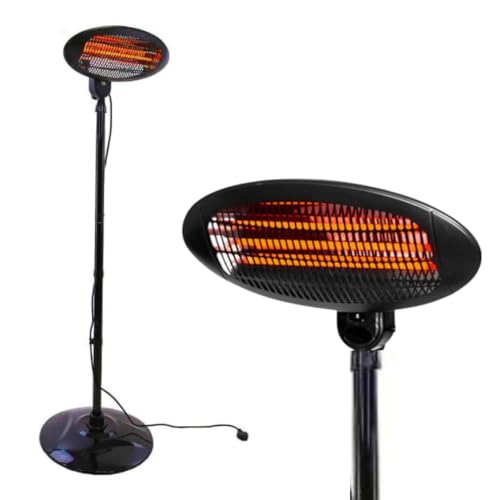
If you're looking for a more permanent solution, think about an outdoor heater that is mounted. This type of heater will give a sleek look to your backyard and will provide immediate direct heating. You can also find controls and switches to improve your experience with heating on your patio.
Longer lifespan
While gas heaters require a propane tank as well as a natural gas line for operation, freestanding electric patio heaters simply require connecting to an electrical outlet. They're a simple and cost-effective method of extending your outdoor entertaining season. It is important to select the right model for your needs, and to adhere to the correct maintenance and storage procedures to ensure they remain in good shape.
When selecting a patio heater, select models with more BTU rating. This is the most common measurement of heat output and indicates how quickly a heater can increase the temperature of the area. A higher BTU rating indicates a more powerful heating system, so choose one that will heat your space. You may want to also look into a heater with adjustable settings for heat. This will allow you to control how much warmth is required for your space.
The durability and weather resistance is a further aspect to think about. Choose a heater made of sturdy materials such as stainless steel and aluminium. Choose a heater that has an IP rating of. This is a sign of the degree of protection against dust and moisture infiltration. Infrared patio heaters, like Bromic's, make use of infrared technology to heat objects and people, instead of the surrounding air, which makes them more energy efficient.
If you are planning to install several outdoor heaters in your outdoor space, be sure to space them appropriately. This will ensure they all offer a consistent heat without overloading the electricity supply. For the best results, try to place the heaters at least four feet apart. Also, avoid placing them near flammable objects, such as curtains and plants.
Patio heaters can be used for longer in life by putting them up and maintaining them in a proper manner. It is important to clean your heater regularly to remove any dirt or debris that can affect its efficiency. When it is not in use it is recommended to store them in a proper manner to protect them against extreme weather conditions.